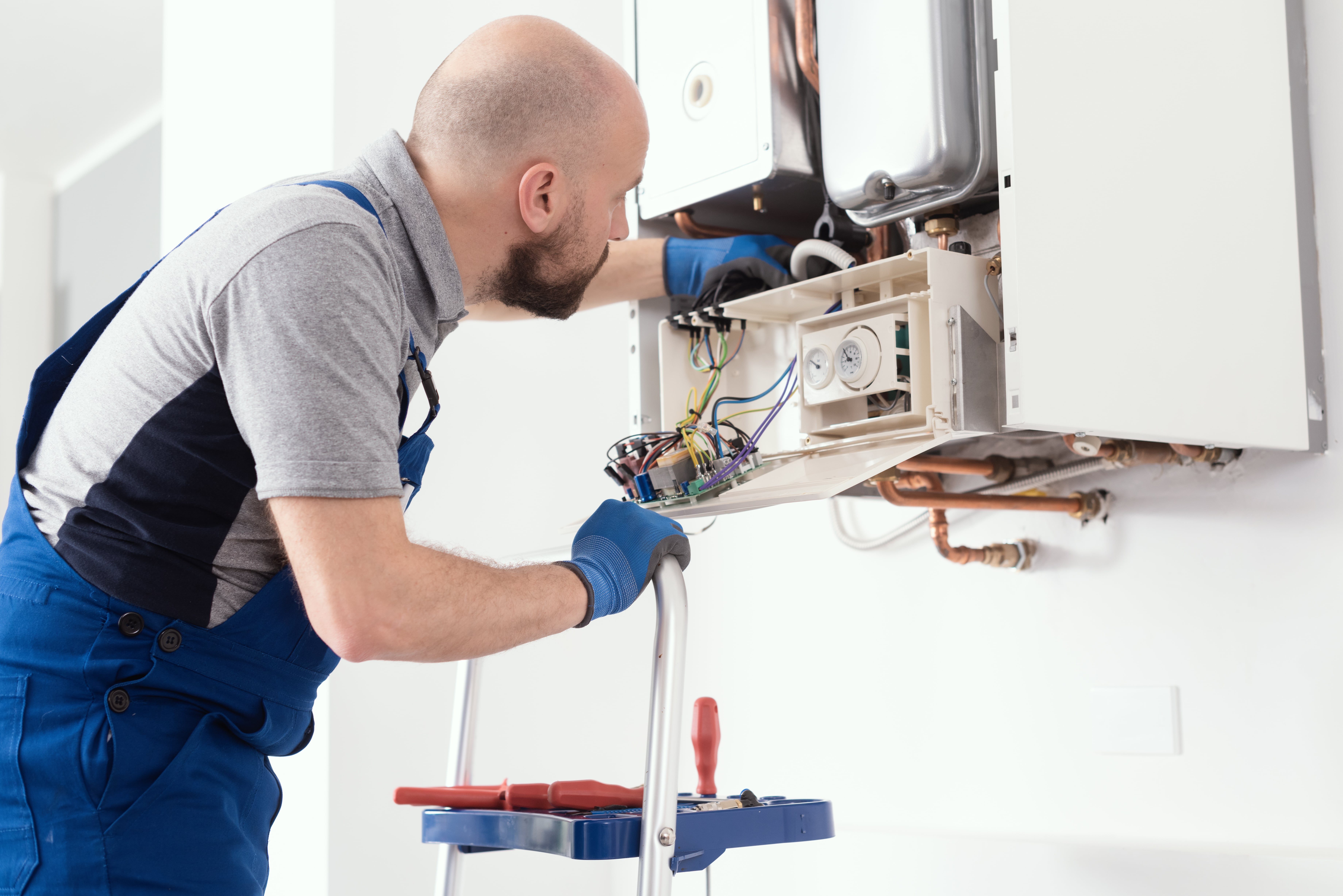
A noisy boiler can be more than just a nuisance; it can be a sign of underlying issues that may need immediate attention. Many homeowners may not realise that the sounds coming from their boiler aren’t just part of the normal operation but could indicate potential problems. In this blog post, we’ll explore what sounds are normal for a boiler to make, what noises should concern you, and the common causes behind loud boiler noises. Understanding these can help you maintain a more efficient and longer-lasting heating system.
How Should A Boiler Usually Sound?
Boilers typically make some noise during normal operations, which is generally nothing to worry about. You might hear a faint humming or buzzing sound when the boiler is running; this is just the sound of the boiler’s components operating as expected. These sounds should be consistent and relatively quiet. Occasional ticking or slight gurgling noises can also be heard, especially when the heating system starts up or shuts down due to the metal components expanding or contracting and water moving through the pipes. It’s when the sounds become loud or unusual that you should take notice and investigate further.
Common Causes of Loud Boiler Noises
Kettling
Caused by limescale or sludge buildup inside the boiler’s heat exchanger. This buildup can restrict water flow and cause water to overheat, boil, and steam, leading to loud banging or rumbling noises.
Air in the System
Air trapped in the heating system can cause whistling, gurgling, or banging sounds. These noises are typically resolved by bleeding your radiators or having a professional purge the system.
High Water Pressure
Too much water pressure in the system can cause your boiler to make loud banging noises. This is often accompanied by water leaks from pressure relief valves. This can be an easy fix for a reputable plumber but might be a challenge for the average homeowner.
Quick Fixes You Can Try at Home
Bleed the Radiators: If there’s air trapped in your heating system, it can cause banging or gurgling noises. Use a radiator key to bleed your radiators, releasing any trapped air until only water comes out.
Check and Adjust Boiler Pressure: Look at the pressure gauge on your boiler. If the pressure is too high or too low (typically outside the 1-2 bar range), use the filling loop to adjust it to the correct level.
Reset Your Boiler: Sometimes, simply resetting your boiler can resolve minor operational issues. Turn it off, wait a few seconds, then turn it back on and check if the noises persist.
Inspect for Any Obvious Leaks: Look around your boiler and connecting pipes for any signs of water leaks. While you might not be able to fix a leak yourself, identifying where it’s coming from can be useful for any repair technician.

When to Call a Professional
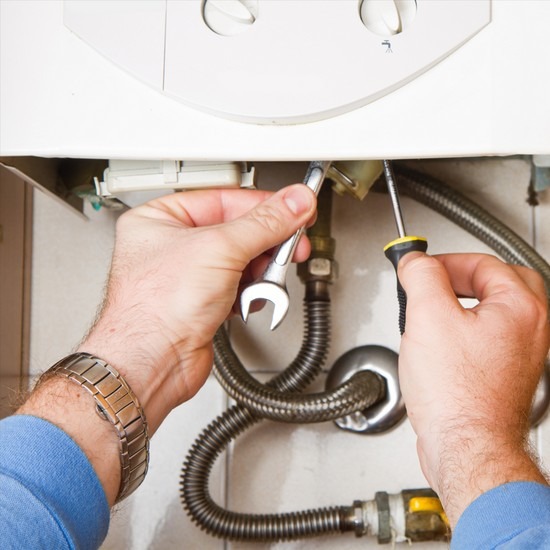
If your boiler’s noises persist despite your efforts with home fixes, it’s time to call in a professional. This is especially important if you encounter leaking water, error codes on the boiler’s display, or loud banging or whistling sounds after you’ve tried adjusting it. A certified heating engineer can diagnose and solve issues that are not only bothersome but potentially dangerous and expensive if left unchecked.
When to Call a Professional
If your boiler’s noises persist despite your efforts with home fixes, it’s time to call in a professional. This is especially important if you encounter leaking water, error codes on the boiler’s display, or loud banging or whistling sounds after you’ve tried adjusting it. A certified heating engineer can diagnose and solve issues that are not only bothersome but potentially dangerous and expensive if left unchecked.
Preventing Future Noise Issues
Regular maintenance is essential to prevent noise issues and ensure the longevity of your boiler. Having your boiler serviced annually by a qualified professional is crucial; they can check for wear and tear, clean out any sludge buildup, and replace parts that might be causing noise or inefficiencies. During these check-ups, technicians can also spot potential problems before they become serious, saving you from future inconvenience and costly repairs.
Additionally, consider implementing water treatment solutions such as magnetic filters or scale inhibitors, especially if you live in a hard water area. These devices can help reduce the build-up of limescale and sludge inside the boiler and heating system, which are common causes of noisy operations. Keeping an eye on your boiler’s pressure and adjusting it as needed can also prevent stress on the system, reducing the likelihood of noises and other mechanical issues. By proactively managing your heating system’s maintenance, you can ensure smoother, quieter operation and a more comfortable home environment.
Identify And Solve Your Loud Boiler Today
In conclusion, while some boiler noises can be easily addressed with simple home fixes, such as bleeding radiators or adjusting pressure, persistent or unusual noises often require the expertise of a professional. Our team at Clarkes Gas Services works throughout Sittingbourne, Faversham and the surrounding areas, give us a call if you need a professional team you can trust.
Remember, taking proactive steps to care for your boiler not only saves you from future headaches but also keeps your home safe and comfortable throughout the year.