When problems with your plumbing arise, it can really put into perspective how many of our home comforts are linked directly to the smooth operation of a variety of household essentials. While a lot of issues can be simple to DIY, there are others that require a visit from a qualified plumber to solve, and what then? Avoid the bill of a call out by taking steps to prevent common issues seen with plumbing!
Here at Clarke’s Gas, we offer a range of plumbing and heating services throughout Faversham and the wider area. Our experts provide emergency services, one off repairs, and everything in between. Our team has put together this guide to ways you can identify plumbing issues yourself at home!
What Are The Most Common Plumbing Problems?
Once you can identify issues with your plumbing, you can more easily take steps to keep your systems in good condition and prevent a more expensive problem later down the line. Some of the most common problems we see as professional plumbers include:
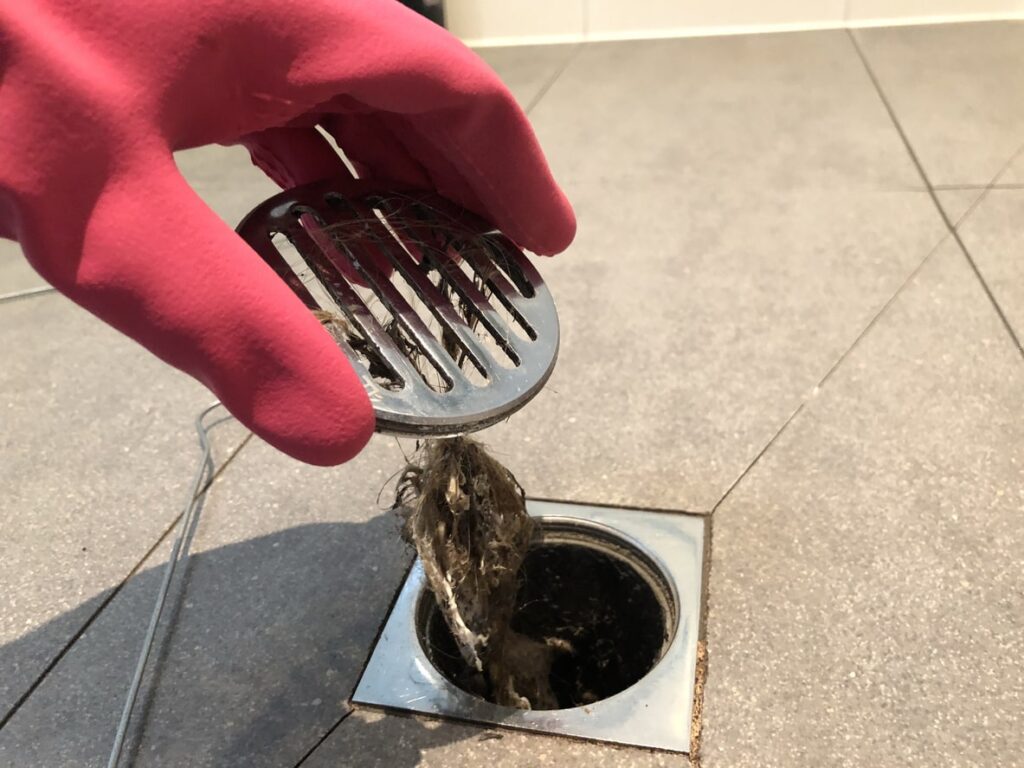
Clogged Drains
When it comes to clogged drains, various factors can contribute to the problem. Hair accumulation is a common issue in bathroom drains, while kitchen drains often suffer from the buildup of soap scum, residue, and food waste. Blockages can also occur due to foreign objects, mineral buildup caused by hard water, and invasive tree roots. Additional contributors include flushing non-flushable items and ageing pipes with cracks or corrosion. To reduce the risk of clogged drains, it is important to install pipes properly, implement preventive measures like using drain guards, and avoid improper disposal practices. Regular cleaning and maintenance are crucial for keeping pipes clear and maintaining smooth water flow.
Leaking Pipes
Leaky pipes can arise from various causes such as corrosion, high water pressure, faulty pipe joints or fittings, physical damage, ageing and wear, poor water quality, and improper installation. The gradual weakening of pipes due to corrosion, combined with excessive water pressure or damaged connections, can result in leaks. Ageing pipes and poor water quality also contribute to pipe deterioration and subsequent leaks. To prevent and minimise the occurrence of leaks, it is essential to conduct regular inspections, address water pressure issues, perform timely repairs, and adhere to proper installation practices.
Low Water Pressure
The presence of low water pressure can stem from different factors, including partially closed valves, pipe leaks, mineral buildup, clogged pipes or fixtures, water supply problems, faulty pressure regulators, and location-related aspects like elevation or distance from the water source.
Identifying the specific cause is crucial in implementing appropriate solutions. This may involve checking valve positions, inspecting for leaks, addressing mineral buildup, or contacting the water provider for supply-related issues. Regular maintenance, periodic inspections, and timely repairs are necessary to ensure sufficient water pressure throughout the plumbing system.
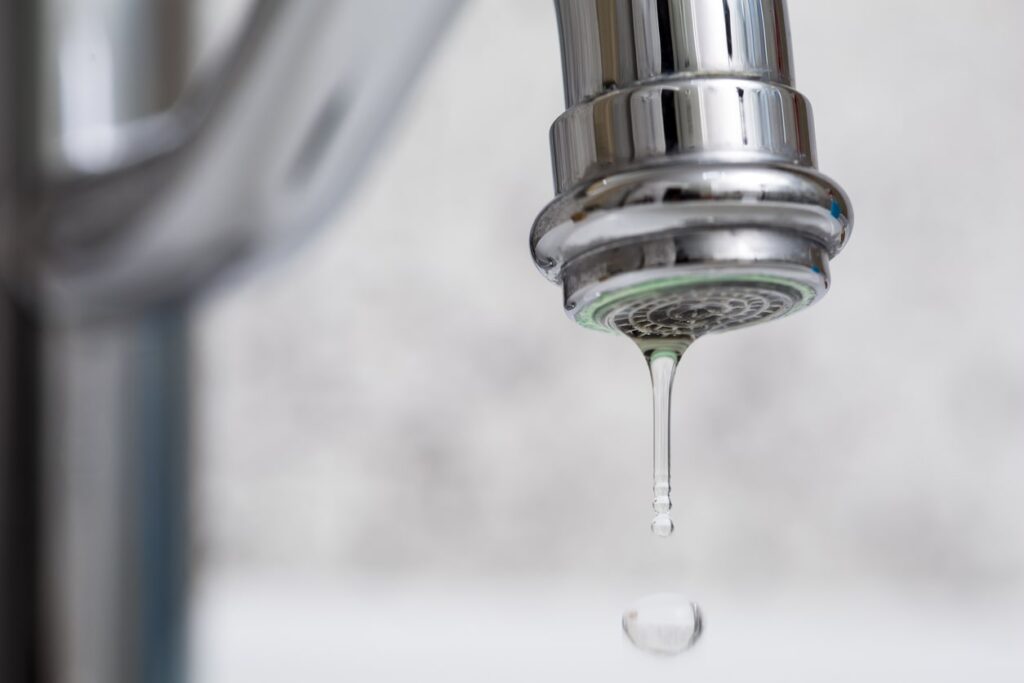
Dripping Faucets
Dripping faucets often occur due to worn-out or faulty washers, loose or improperly installed parts, high water pressure, corroded or damaged faucet components, and mineral deposits. Over time, the deterioration of rubber or silicone washers inside the faucet handle leads to leaks. Loose parts, such as O-rings or valve seats, can also cause dripping. Excessive water pressure, corrosion, and mineral deposits further contribute to faucet leaks.
Repairing a dripping faucet typically involves replacing worn-out washers, tightening loose parts, addressing water pressure issues, and cleaning or replacing corroded components. These steps ensure a proper seal, prevent water waste, and restore the faucet’s functionality.
When To Call a Plumber
Knowing when to call a plumber is crucial for addressing plumbing issues effectively. While minor problems can be DIY projects, certain situations require professional expertise. Here are some instances to contact a plumber:
Persistent clogs: If various unclogging methods fail, seek professional help. Plumbers have tools and expertise to resolve stubborn clogs efficiently.
Burst pipes: A burst pipe causes water damage and disrupts supply. Contact a plumber immediately to assess, prevent further damage, and repair or replace pipes.
Water leaks: Dripping faucets, high bills, or water pooling indicate leaks. Plumbers locate and fix leaks to prevent damage and conserve water.
Sewer line issues: Odours, gurgling, slow drains, or backups signal sewer line problems. Professionals assess, repair, or maintain sewer lines.
Water heater problems: Malfunctioning heaters, inadequate hot water, or leaks require plumber’s diagnosis and repair.
Gas line issues: Suspected gas leaks or problems with gas lines need immediate action. Evacuate and contact a specialised plumber.
Plumbing installations/renovations: Engage a professional plumber for fixture installations, pipe replacements, or major renovations. They ensure proper installation, code adherence, and optimal functionality.
Remember, undertaking complex plumbing tasks without experience/tools worsen situations. Call a licensed, reliable plumber promptly for concerns. Their expertise addresses issues effectively, potentially saving costly repairs.
For more information, get in touch with Clarke’s Gas today!
If you would like to know more, or to arrange for one of our expert plumbers to visit you in one of our many coverage areas, including Faversham, then please don’t hesitate to reach out to the team at Clarke’s Gas. In addition to plumbing, we also provide a range of gas services, including gas safety certificates and boiler installations. Contact us now for a FREE quote!